








Customer Review

30,000+

Consultation
Manufacturing
Pan India Presence
About Us

Guiding projects,
building trust,
finding solutions

AirTree (a unit of We4U Maintenance Pvt Ltd) is India's most trusted HVAC and Air Handling Unit manufacturer. Established in 2018 by industry veterans, we bring decades of expertise to every project.

Our Vision

To create an India where every industry breathes better with accessible, efficient HVAC solutions.

Our Mission

  • Deliver Quality That Lasts
  • Never Miss A Deadline
  • Innovate Responsibly
Why Choose Us

Trusted care,
lasting positive change

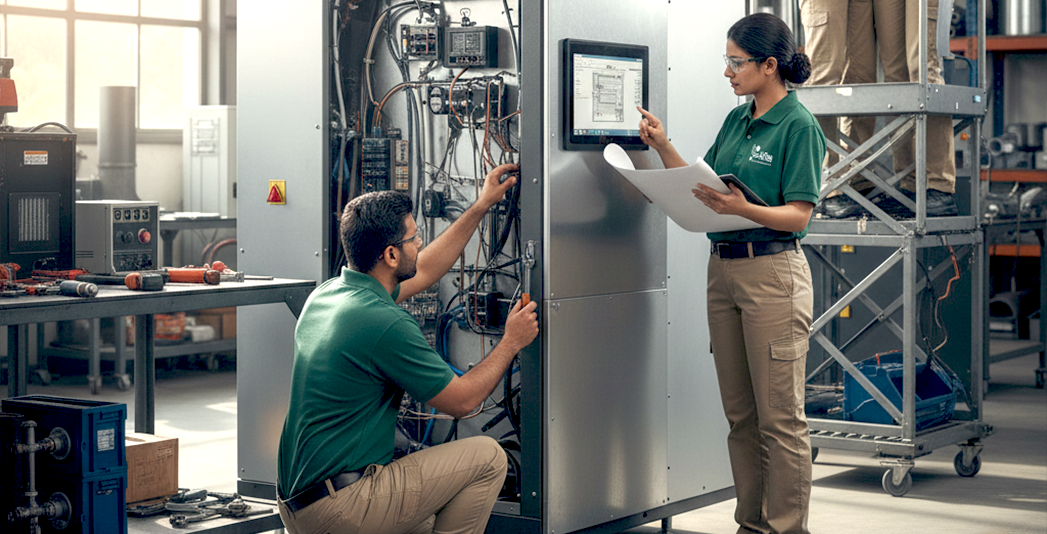
With a commitment to quality and reliability, we empower industries to achieve optimal air management. Our team of experienced engineers provides:

Experienced Professionals

Expert engineers with decades of HVAC experience.

Client-Centered Approach

Your project's success is our primary focus.

Safe & Reliable Systems

ISO-certified quality at every step.

Commitment To Growth

Constantly innovating for better solutions.

Consultation Session
• Contact Us • Contact Us • Contact Us •
Our Products

Advanced HVAC Solutions for Every Industry

From compact units to large-scale industrial systems, AirTree delivers customized solutions engineered for optimal performance.

Wet Scrubber (Fume Exhaust)
Pollution Control Equipment's
Dry Scrubber (Fume Exhaust)
Pollution Control Equipment's
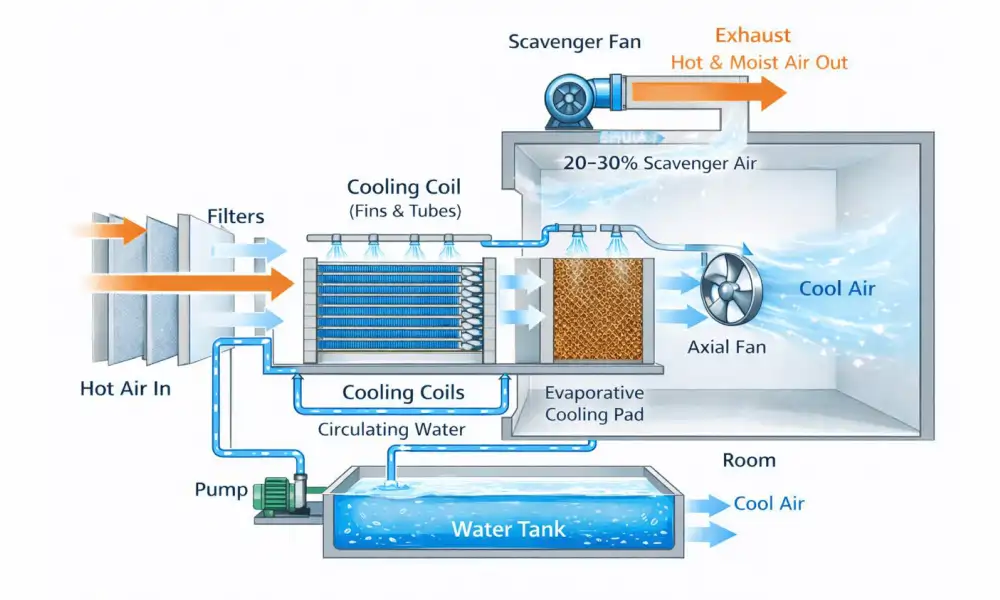
Hybrid Air Washer
Air Ventilation & Cooling System
Double Stage Air Washer Unit
Air Ventilation & Cooling System
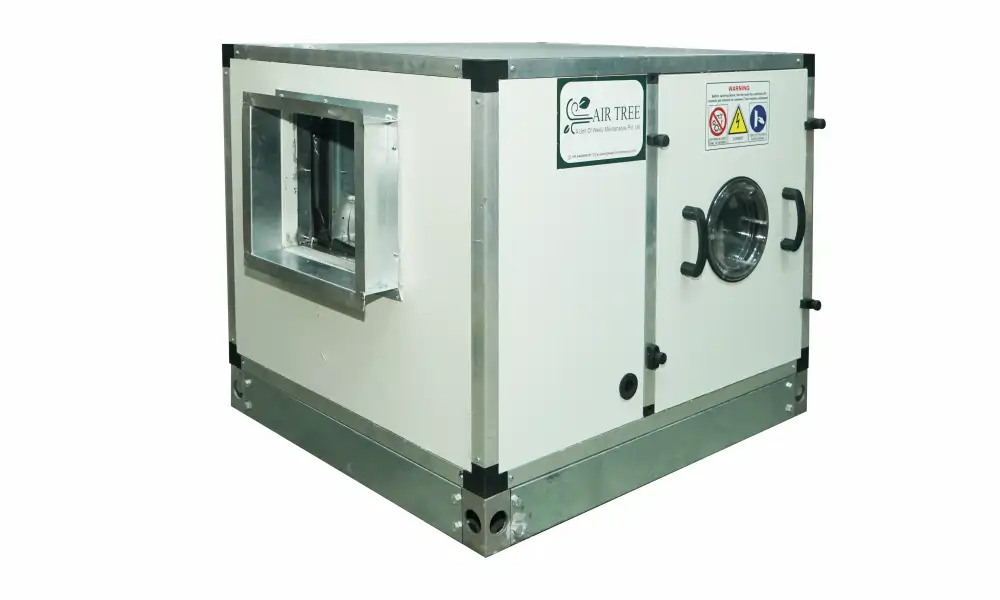
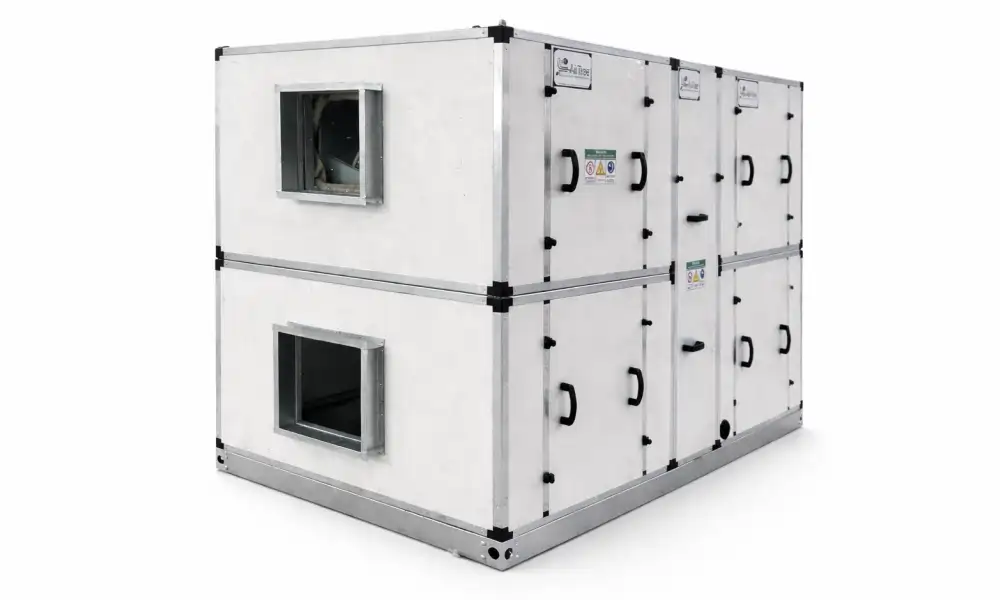
Double Skin Fresh Air Unit
Air Ventilation & Cooling System
Double Skin Air Washer
Air Ventilation & Cooling System
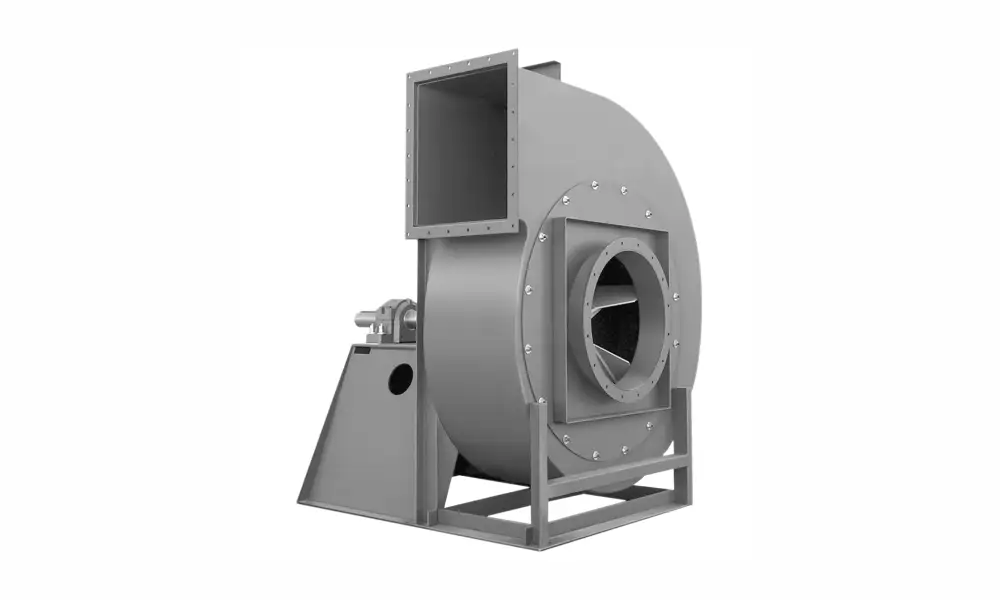
SISW Exhaust Fans
Air Ventilation & Cooling System
Cabinet Fans & Double Skin Exhaust Fan
Air Ventilation & Cooling System
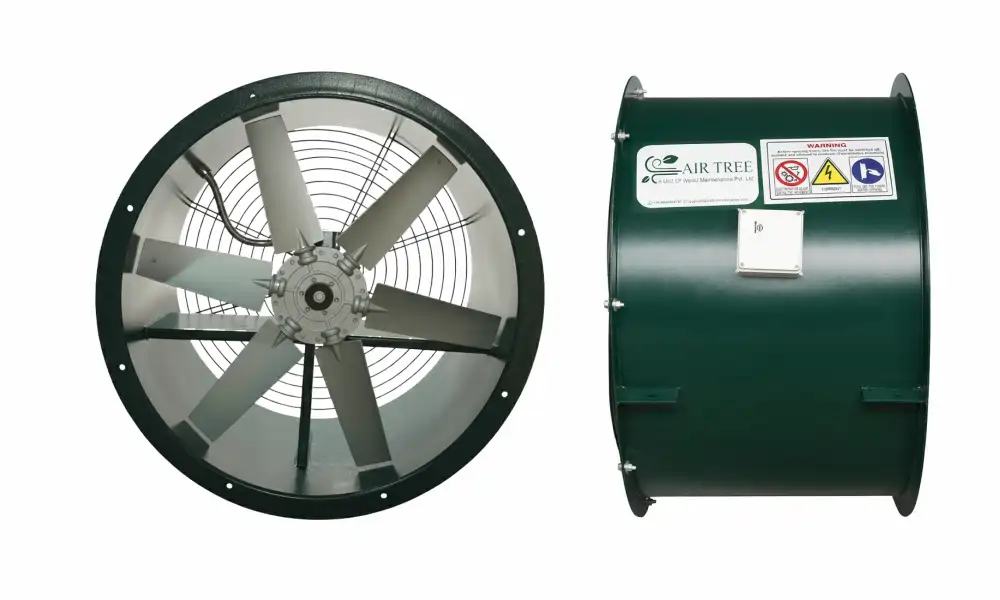
Axial Fans
Air Ventilation & Cooling System
Heat Recovery Unit
Dehumidifier and Heat Recovery Unit
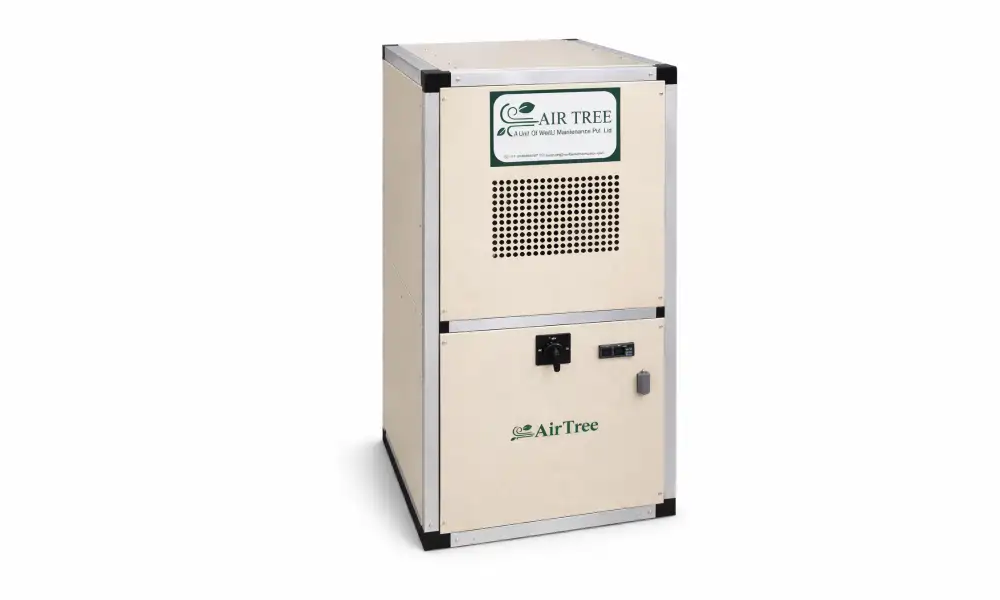
Refrigerant Type Dehumidifiers
Dehumidifier and Heat Recovery Unit
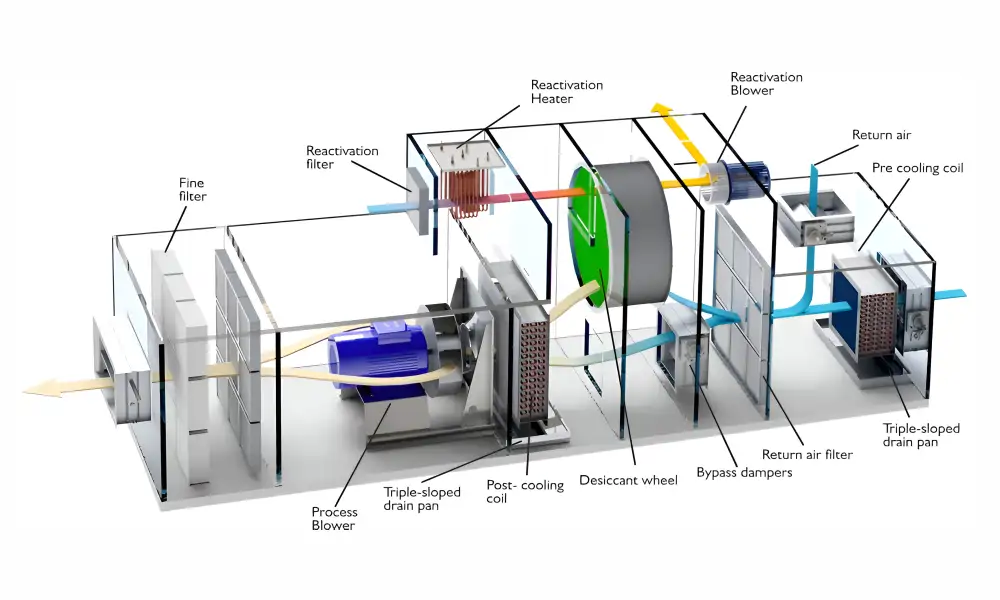
Desiccant Type Dehumidifiers
Dehumidifier and Heat Recovery Unit
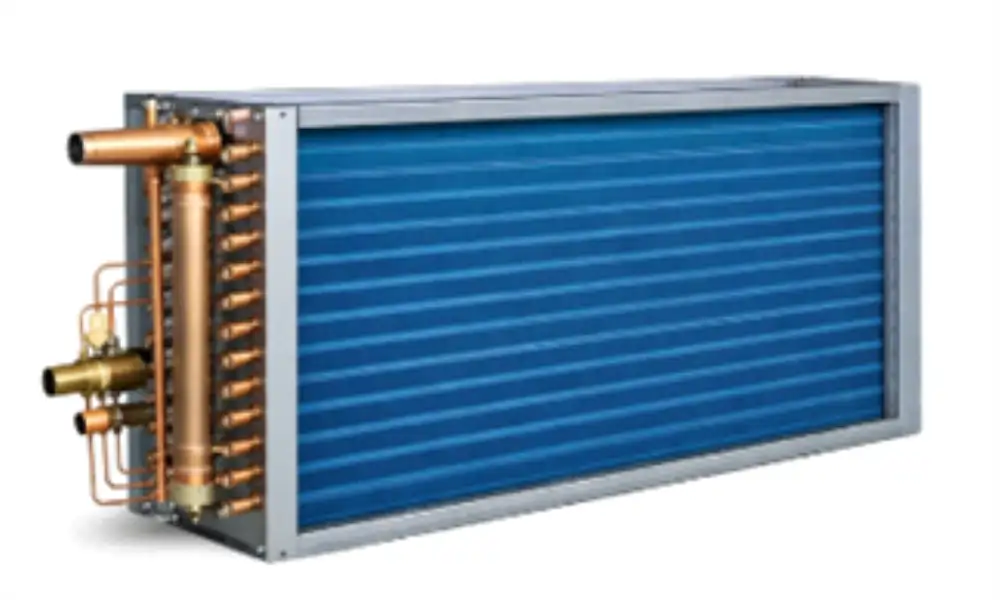
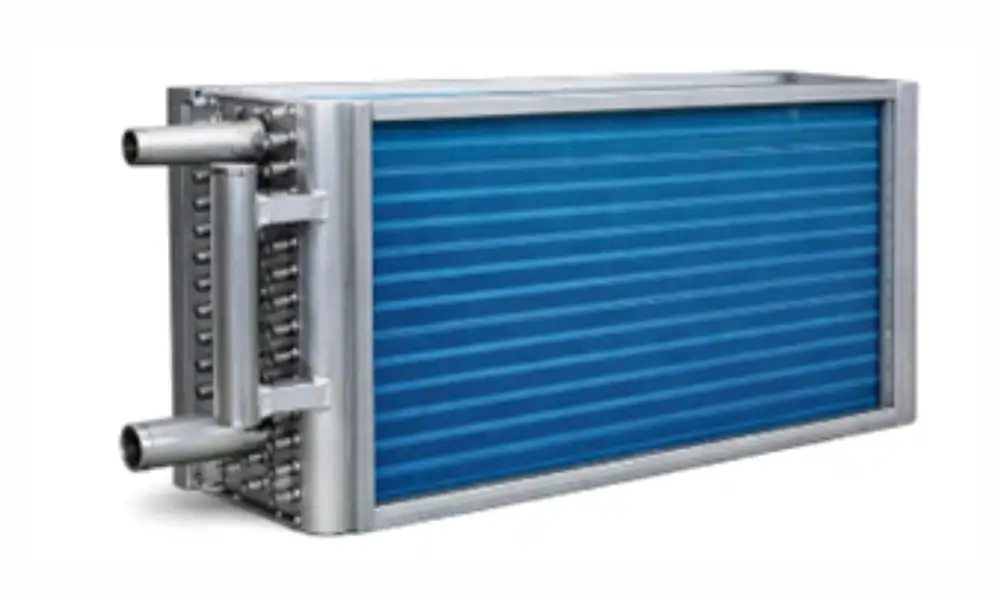
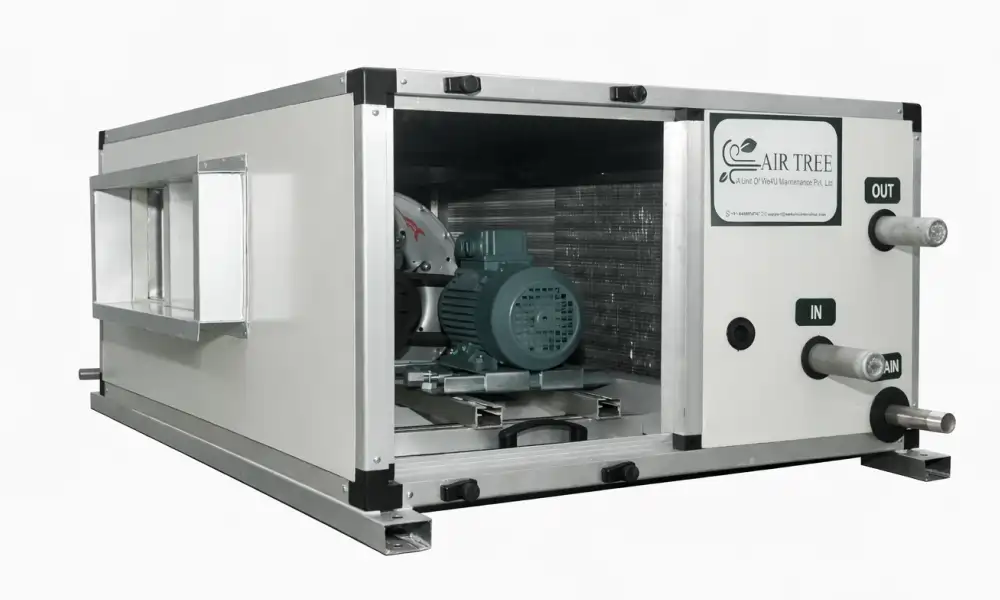
Fan Coil Unit
Cooling Coil
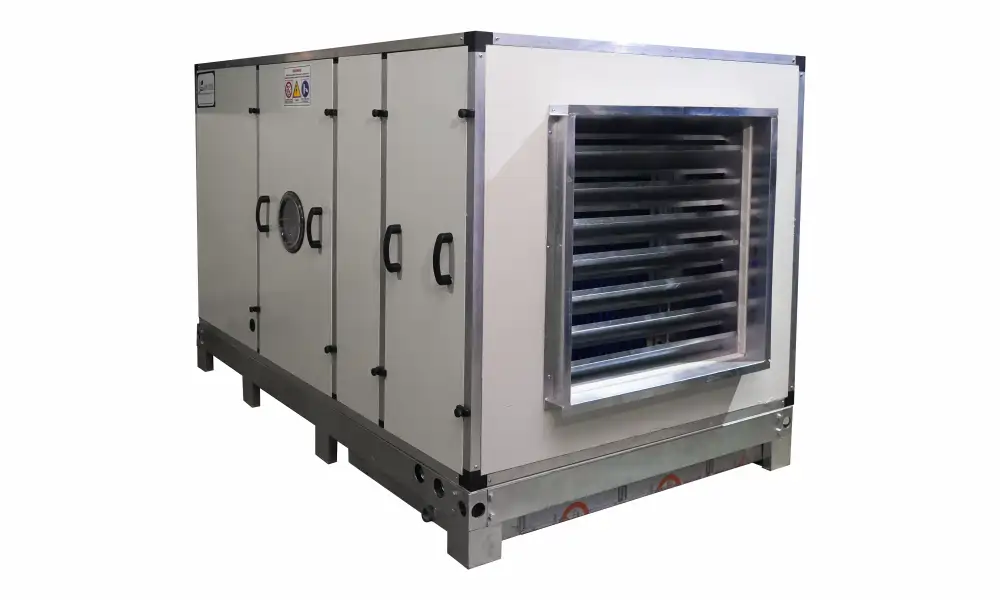
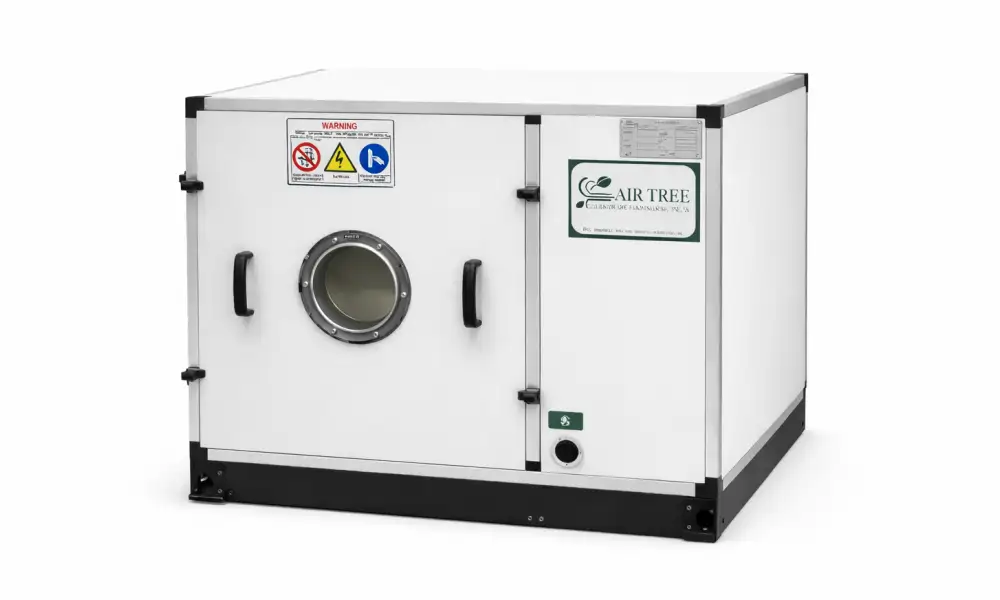
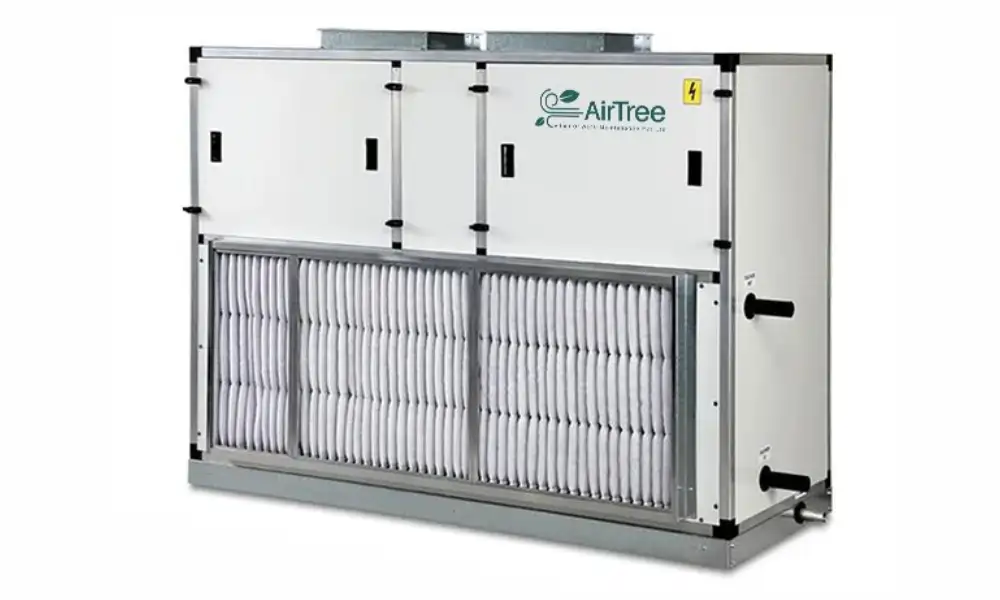
Vertical AHU
Air Handling Unit
TFA (Treated Fresh Air) AHU
Air Handling Unit
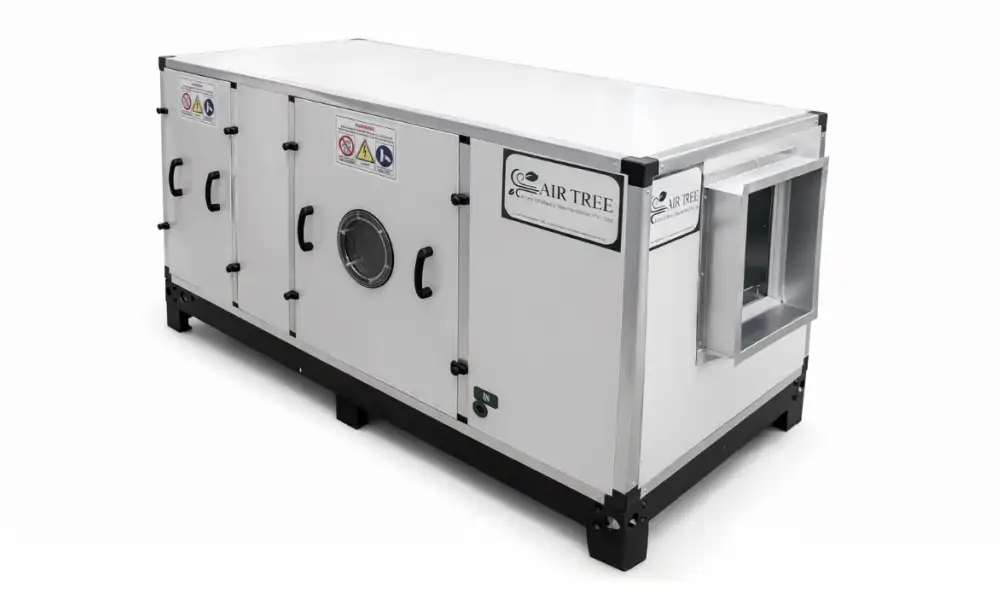
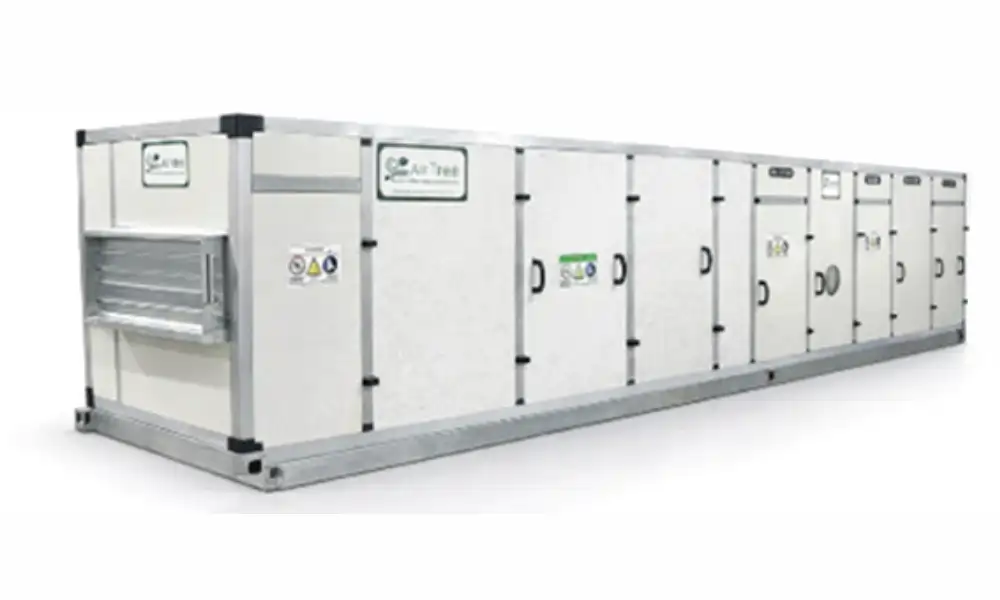
Floor Mounted AHU Above long one
Air Handling Unit
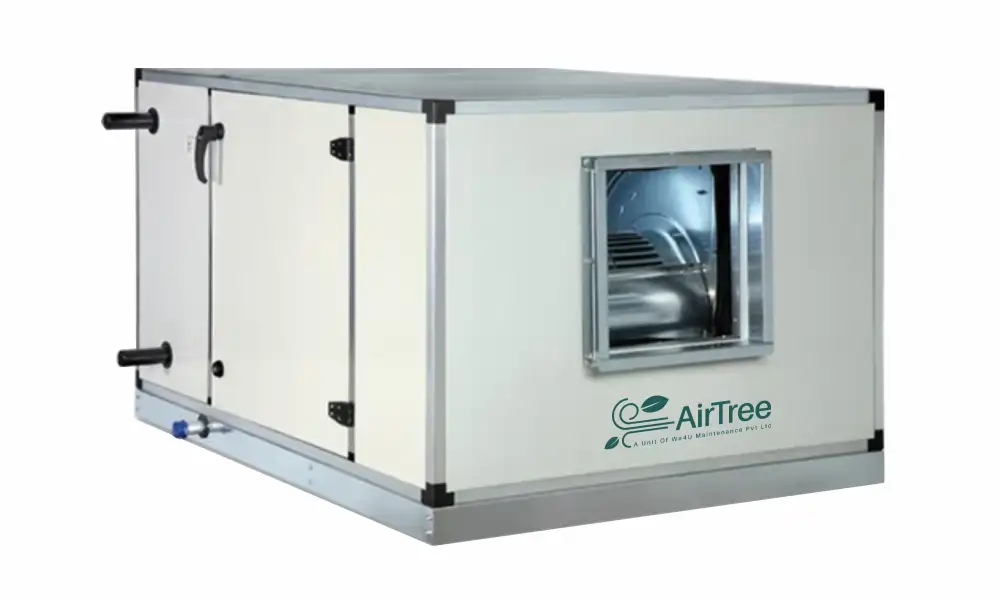
Ceiling Suspended AHU
Air Handling Unit
Industries We Serve

Where Every Industry Breathes Better

With years of experience across diverse sectors, we design systems that optimize air quality, temperature, and ventilation efficiency.

Industries & Units

Robust air management for manufacturing excellence.

Hotels & Restaurants

Supreme comfort and kitchen ventilation specialists.

Malls & Retail

High-volume AHUs for massive footfall spaces.

Offices & IT Parks

Energy efficient cooling for productive workspaces.

Hospitals & Labs

Sterile air solutions for healthcare critical zones.

Residential & Comm.

Custom HVAC design for premium buildings.

Utility & Gen. Rooms

Specialized ventilation for critical equipment zones.

Our Promise

Why Choose AirTree?

We don't just commit — we deliver. Experience the AirTree difference.

10 Days

Dispatch within 10 Days

HVAC equipment ready in just 10 Days. We understand project timelines and never miss deadlines.

100%

In-House Manufacturing

Zero dependency, total quality control. Every unit crafted in our state-of-the-art facility.

Expert

Commercial Kitchen Experts

Specialized systems designed for efficiency, hygiene & long life in professional kitchens.

Nationwide

Pan India Presence

Supplying projects across metros & emerging cities with equal speed and precision.

24/7

Service First Approach

From consultation to commissioning, we stay till it runs right. 24-48 hour response time.

Fast

Strategic Logistics

Advanced inventory management and dedicated dispatch team for seamless delivery.

97%
Client Satisfaction
500+
Projects Completed
100+
Cities Served
25+
Years Experience
Industry Insights

Latest from the AirTree Journal

View blogs
Feb 17, 2026

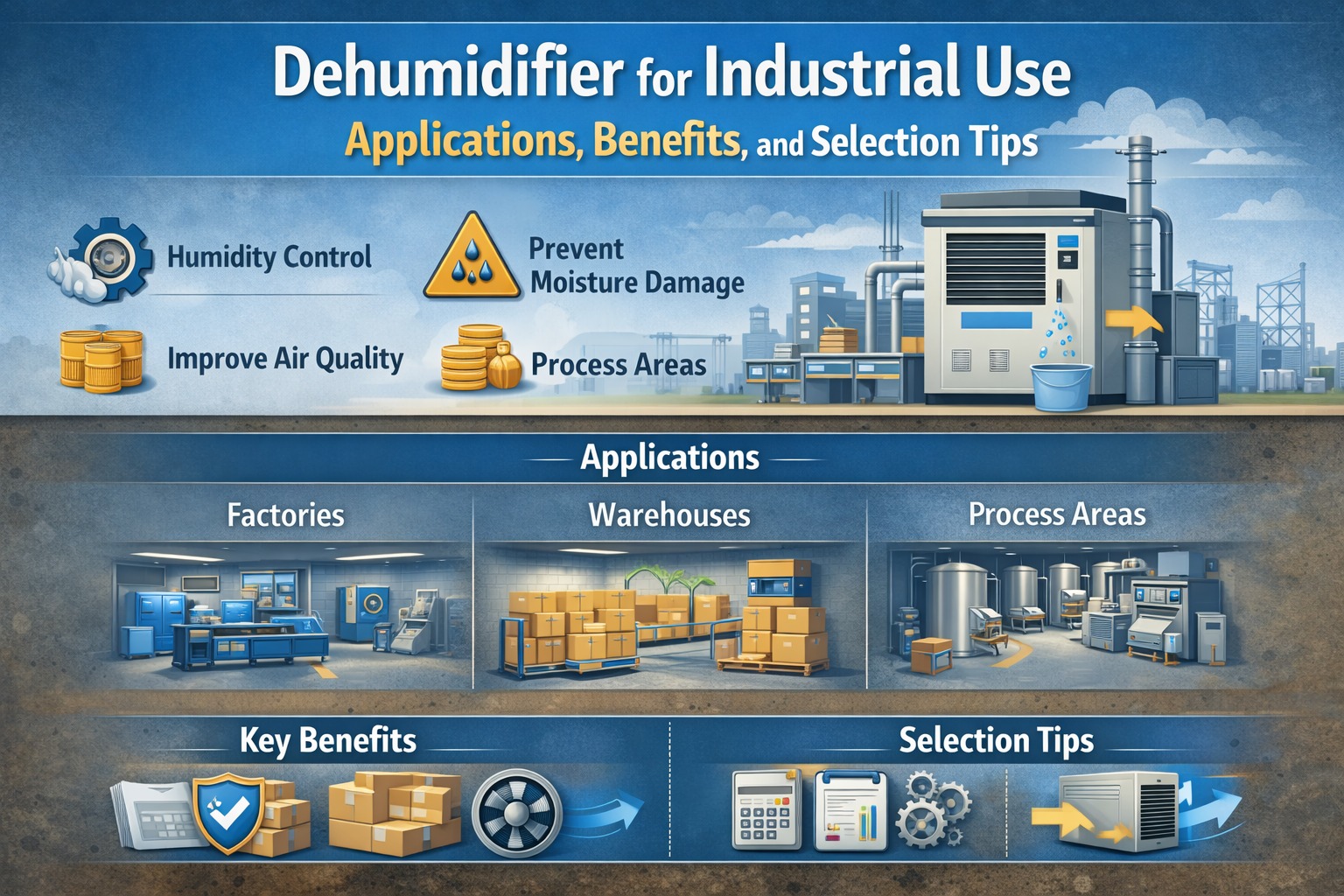
Dehumidifier for Industrial Use: Applications, Benefits, and Selection Tips

Humidity is one of the most underestimated challenges in industrial environments. While temperature often gets attention, uncontrolled moisture in the air can silently damage products, machinery, infrastructure, and even employee health.This is where a dehumidifier for industrial use becomes essential. Unlike small residential units, industrial dehumidifiers are designed to control moisture levels in large spaces such as factories, warehouses, pharmaceutical plants, food processing units, and data centers.In this blog, we will explore how industrial dehumidifiers work, why they matter, their applications, benefits, comparisons, selection tips, and frequently asked questions — all in a clear and practical format.Why Humidity Control Is Critical in IndustriesExcess humidity can cause:Corrosion of machineryRust formation on metal surfacesMold growthProduct spoilageElectrical failuresStructural damageReduced worker comfortFor industries dealing with sensitive materials like pharmaceuticals, electronics, paper, textiles, and food products, even slight humidity imbalance can lead to significant losses.A properly designed dehumidifier for industrial use maintains optimal moisture levels, protecting assets and ensuring consistent operational performance.What Is a Dehumidifier for Industrial Use?A dehumidifier for industrial use is a heavy-duty machine designed to remove excess moisture from large commercial or industrial spaces. It works by extracting water vapor from the air and maintaining a controlled humidity level.Unlike domestic models, industrial systems are:High capacityContinuous operation capableDesigned for harsh environmentsIntegrated with HVAC systemsEnergy-efficient for large-scale useHow Industrial Dehumidifiers Work (Step-by-Step)Understanding the process helps in better selection.Step 1: Air IntakeHumid air is drawn into the dehumidifier unit through a powerful fan.Step 2: Moisture RemovalDepending on the type, the unit removes moisture using either:Refrigeration processDesiccant rotor technologyStep 3: Condensation or AbsorptionWater vapor is converted into liquid form or absorbed by desiccant material.Step 4: Water DrainageCollected water is drained continuously.Step 5: Dry Air ReleaseDry, conditioned air is circulated back into the industrial space.This cycle runs continuously to maintain stable humidity levels.Types of Industrial DehumidifiersChoosing the right type is crucial.1. Refrigerant DehumidifiersBest suited for warm environments. They cool the air to condense moisture.Ideal for:WarehousesProduction floorsCommercial buildings2. Desiccant DehumidifiersUse moisture-absorbing materials to remove humidity.Ideal for:Cold storagePharmaceutical manufacturingElectronics productionLow-humidity applicationsEach type serves different industrial needs.Applications of Dehumidifier for Industrial UseIndustrial humidity control is required across various sectors:Manufacturing PlantsPrevents rust and protects machinery.Pharmaceutical IndustryMaintains strict environmental standards.Food Processing UnitsPrevents bacterial growth and product spoilage.Textile IndustryMaintains fabric quality and reduces defects.Warehouses & StoragePrevents moisture damage to stored goods.Data CentersProtects servers and electronic components.Cold Storage FacilitiesPrevents condensation and ice formation.Humidity control directly impacts product quality and compliance.Benefits of Using an Industrial Dehumidifier1. Equipment ProtectionReduces corrosion and extends machine life.2. Improved Product QualityPrevents moisture-related defects.3. Reduced Maintenance CostsLower risk of mold and rust reduces repair expenses.4. Energy EfficiencyDry air feels cooler and reduces HVAC load.5. Workplace SafetyPrevents slippery floors and mold exposure.6. Compliance with RegulationsIndustries like pharma require strict humidity control.A reliable dehumidifier for industrial use ensures operational stability and asset protection.Dehumidifier vs Air Conditioner – What’s the Difference?Many industries assume AC systems are enough. However:FeatureDehumidifierAir ConditionerPrimary FunctionMoisture removalTemperature coolingHumidity ControlPreciseLimitedIndustrial CapacityHighModerateContinuous OperationYesYesSuitable for Moisture-Sensitive ProcessesYesNot alwaysConclusion: AC systems reduce temperature, but they are not designed for precise humidity control. Industrial dehumidifiers are specialized for moisture management.Signs Your Industry Needs a DehumidifierVisible condensation on wallsRusting equipmentMold odorWet packaging materialsElectronic malfunctionsHigh humidity readings (above 60%)If these issues exist, installing a dehumidifier for industrial use can solve them efficiently.Step-by-Step Guide to Selecting the Right DehumidifierChoosing the right system requires careful planning.Step 1: Measure the AreaCalculate the cubic volume of the space.Step 2: Identify Humidity LevelsDetermine current RH (Relative Humidity) and target RH.Step 3: Understand ApplicationIs it cold storage, warehouse, or production unit?Step 4: Choose TypeRefrigerant for warm areas, desiccant for low-humidity needs.Step 5: Evaluate Drainage SystemContinuous drainage is essential for industrial settings.Step 6: Check Energy EfficiencyLook for energy-saving motors and automation controls.Step 7: Choose Experienced ManufacturerEngineering support ensures correct sizing and performance.Proper selection avoids underperformance or excess energy usage.Pros and Cons of Industrial DehumidifiersProsProtects assetsPrevents moisture damageImproves product shelf lifeSupports complianceEnhances operational efficiencyConsInitial installation costRequires regular maintenancePower consumption if oversizedChoosing the correct capacity minimizes these drawbacks.Maintenance Tips for Long-Term EfficiencyTo ensure consistent performance:Clean filters regularlyInspect coils and rotorsCheck drainage linesMonitor humidity sensorsSchedule annual servicingRoutine maintenance ensures durability and optimal performance.Energy Efficiency and SustainabilityModern industrial dehumidifiers are designed with:Smart humidity sensorsVariable speed drivesAutomated controlsEnergy-efficient compressorsThese features reduce electricity consumption while maintaining consistent performance.Investing in the right dehumidifier improves sustainability and reduces long-term operational costs.Common Mistakes to AvoidBuying undersized unitsIgnoring humidity calculationsNot planning for continuous drainageChoosing based only on priceSkipping professional consultationIndustrial humidity control requires technical expertise.FAQs – Dehumidifier for Industrial Use1. What is the ideal humidity level for industries?Typically between 40%–60%, depending on the industry.2. Can a dehumidifier run 24/7?Yes, industrial units are designed for continuous operation.3. Is dehumidification necessary in air-conditioned spaces?Yes, especially if precise humidity control is required.4. Which type is better: refrigerant or desiccant?It depends on temperature conditions and humidity targets.5. Does a dehumidifier reduce energy bills?Indirectly, yes. It reduces load on HVAC systems.6. How often should servicing be done?Basic checks monthly; professional servicing annually.7. Is it suitable for pharmaceutical industries?Yes, strict humidity control makes it essential in pharma production.Final ThoughtsHumidity may seem invisible, but its impact on industrial operations is significant. From machinery protection to product quality and compliance, moisture control is a key operational requirement.A properly selected dehumidifier for industrial use ensures controlled environments, improved productivity, and long-term cost savings. Whether it is a warehouse, pharmaceutical plant, food processing unit, or data center, the right humidity solution makes all the difference.For industries seeking engineered humidity control systems with reliable performance and customized design, Airtree offers advanced solutions built to meet demanding industrial requirements with precision and efficiency.
Feb 17, 2026

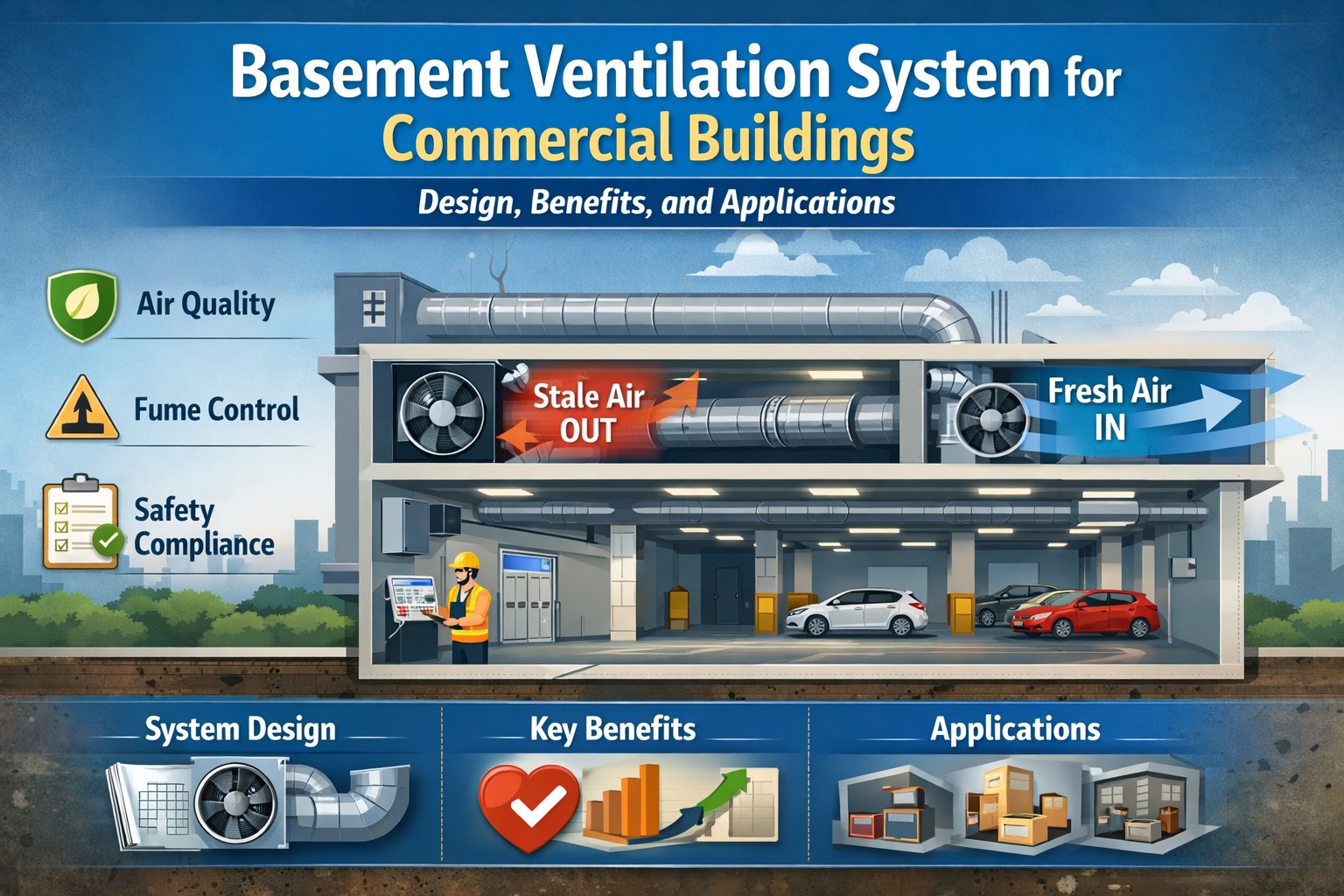
Basement Ventilation System for Commercial Buildings: Design, Benefits, and Applications

Basements in commercial buildings are no longer just storage areas. Today, they are used for parking zones, utility rooms, electrical panels, server rooms, retail storage, and even operational workspaces. However, one common issue remains — poor air circulation.Without a proper basement ventilation system, commercial basements can accumulate harmful gases, excessive humidity, heat, and unpleasant odors. This not only affects air quality but also impacts safety, structural durability, and employee comfort.In this blog, we will explore how a basement ventilation system works, its design considerations, benefits, applications, comparisons with other systems, and why choosing the right HVAC partner is critical.Why Basement Ventilation Is Important in Commercial BuildingsUnlike upper floors, basements lack natural airflow. Windows are limited or absent, and enclosed structures restrict cross-ventilation. As a result:Carbon monoxide may accumulate in parking areasHumidity levels increaseMold growth becomes possibleHeat builds up from generators and equipmentOdors remain trappedFor commercial buildings, this can lead to health hazards, equipment damage, and non-compliance with safety regulations.A properly designed basement ventilation system ensures controlled air exchange, removal of pollutants, and consistent airflow.What Is a Basement Ventilation System?A basement ventilation system is a mechanical setup that circulates fresh air into the basement and removes stale or contaminated air.It typically includes:Supply air fansExhaust fansDucting systemsAir filtersCO sensors (for parking areas)Control panelsThese components work together to maintain air quality, temperature balance, and safety compliance.How a Basement Ventilation System Works (Step-by-Step)Understanding the process helps building owners make informed decisions.Step 1: Air IntakeFresh outdoor air is drawn into the system through intake ducts.Step 2: FiltrationAir passes through filters to remove dust and contaminants.Step 3: Air DistributionThe filtered air is distributed evenly across the basement through ductwork.Step 4: Polluted Air CollectionExhaust ducts collect contaminated or stale air.Step 5: Air ExhaustStale air is discharged outside the building.Step 6: Sensor MonitoringIn parking basements, CO sensors automatically activate ventilation when gas levels rise.This controlled cycle ensures continuous fresh airflow and pollutant removal.Key Design Considerations for Basement Ventilation SystemsDesigning a basement ventilation system requires technical precision. It is not a one-size-fits-all solution.1. Basement Area & VolumeAir changes per hour (ACH) depend on the size and use of the space.2. Usage TypeCar parking requires CO control.Storage areas need humidity management.Electrical rooms need heat removal.3. Air Changes Per Hour (ACH)Most commercial parking basements require 6–10 ACH depending on regulations.4. Duct LayoutProper duct routing ensures uniform airflow.5. Fire Safety ComplianceIntegration with fire alarm and smoke extraction systems is essential.6. Energy EfficiencyEnergy-efficient motors and smart controls reduce operational costs.A professionally engineered basement ventilation system ensures optimal performance without energy waste.Types of Basement Ventilation SystemsDifferent commercial buildings require different solutions.1. Mechanical Exhaust VentilationUses exhaust fans to remove stale air and allows fresh air through natural openings.2. Supply and Exhaust SystemBalanced airflow using both supply and exhaust fans.3. Jet Fan Ventilation SystemCommon in parking basements; eliminates extensive ductwork and improves airflow distribution.4. Smoke Extraction SystemIntegrated system for emergency fire situations.Each type has specific applications depending on building size and regulations.Basement Ventilation vs Natural VentilationFeatureMechanical VentilationNatural VentilationAirflow ControlPreciseLimitedCO MonitoringYesNoSuitable for Large BasementsYesNoComplianceMeets codesOften insufficientWeather DependencyNoYesConclusion: For commercial buildings, mechanical basement ventilation systems are far more reliable and compliant.Benefits of a Basement Ventilation SystemInstalling a professional basement ventilation system offers multiple advantages.1. Improved Air QualityRemoves pollutants, fumes, and dust.2. Carbon Monoxide ControlCritical for underground parking areas.3. Moisture ControlPrevents mold growth and structural damage.4. Enhanced SafetySupports fire and smoke extraction.5. Equipment ProtectionPrevents overheating of electrical panels and generators.6. Energy EfficiencyModern systems use smart sensors to operate only when required.7. Regulatory ComplianceEnsures adherence to local building and safety standards.These benefits make ventilation systems essential for commercial infrastructure.Applications of Basement Ventilation SystemsBasement ventilation systems are used in:Commercial office buildingsShopping mallsHospitalsHotelsIT parksWarehousesResidential high-rise parkingIndustrial buildingsEach application requires tailored airflow design and system configuration.Pros and Cons of Basement Ventilation SystemsProsEnsures fresh airflowReduces harmful gas accumulationEnhances occupant safetyControls humiditySupports fire safety systemsConsInitial installation costRequires periodic maintenanceEnergy consumption if not optimizedProper system design minimizes these drawbacks significantly.Step-by-Step Guide to Choosing the Right SystemStep 1: Assess Basement UsageIdentify whether it is parking, storage, or utility space.Step 2: Calculate Air VolumeDetermine cubic area for airflow calculations.Step 3: Define Compliance RequirementsCheck local safety and fire regulations.Step 4: Select Ventilation TypeChoose between jet fans, ducted system, or hybrid solution.Step 5: Focus on Energy EfficiencyOpt for variable speed drives and smart controls.Step 6: Choose an Experienced ManufacturerEngineering expertise ensures long-term reliability.Maintenance Tips for Long-Term PerformanceTo maintain performance:Clean air filters regularlyInspect fan motorsTest CO sensorsCheck duct blockagesVerify control panel functionsRoutine inspection prevents breakdowns and ensures safe operation.Common Mistakes to AvoidIgnoring airflow calculationsUnderestimating ACH requirementsChoosing low-quality fansSkipping sensor integrationNot planning for future expansionA professional HVAC provider eliminates these errors.FAQs – Basement Ventilation System1. What is the purpose of a basement ventilation system?It ensures proper air circulation, removes pollutants, and maintains safe air quality.2. Is basement ventilation mandatory for parking areas?Yes, most regulations require CO monitoring and mechanical ventilation.3. How many air changes per hour are required?Typically 6–10 ACH depending on usage and regulations.4. Can ventilation systems reduce humidity?Yes, controlled airflow helps manage moisture levels.5. What is a jet fan system?It is a ductless ventilation solution commonly used in parking basements.6. Does basement ventilation improve fire safety?Yes, integrated systems assist in smoke extraction during emergencies.7. How often should maintenance be done?Basic inspection monthly and full servicing annually.Why Engineering Expertise MattersA basement ventilation system is not just about installing fans. It requires:Airflow calculationsPressure analysisCompliance planningNoise controlEnergy optimizationImproper design can lead to uneven airflow, excessive noise, and high power consumption.Professional engineering ensures efficient performance for years.Final ThoughtsA well-designed basement ventilation system is essential for modern commercial buildings. From ensuring fresh air circulation to controlling carbon monoxide levels and maintaining structural integrity, its importance cannot be overstated.Whether it is a parking basement, storage area, or service zone, proper ventilation enhances safety, comfort, and compliance. Investing in a high-quality system designed by experienced professionals ensures long-term reliability and operational efficiency.For commercial projects that demand engineered HVAC excellence, Airtree delivers reliable and customized basement ventilation solutions built for performance, safety, and sustainability.

Feb 16, 2026

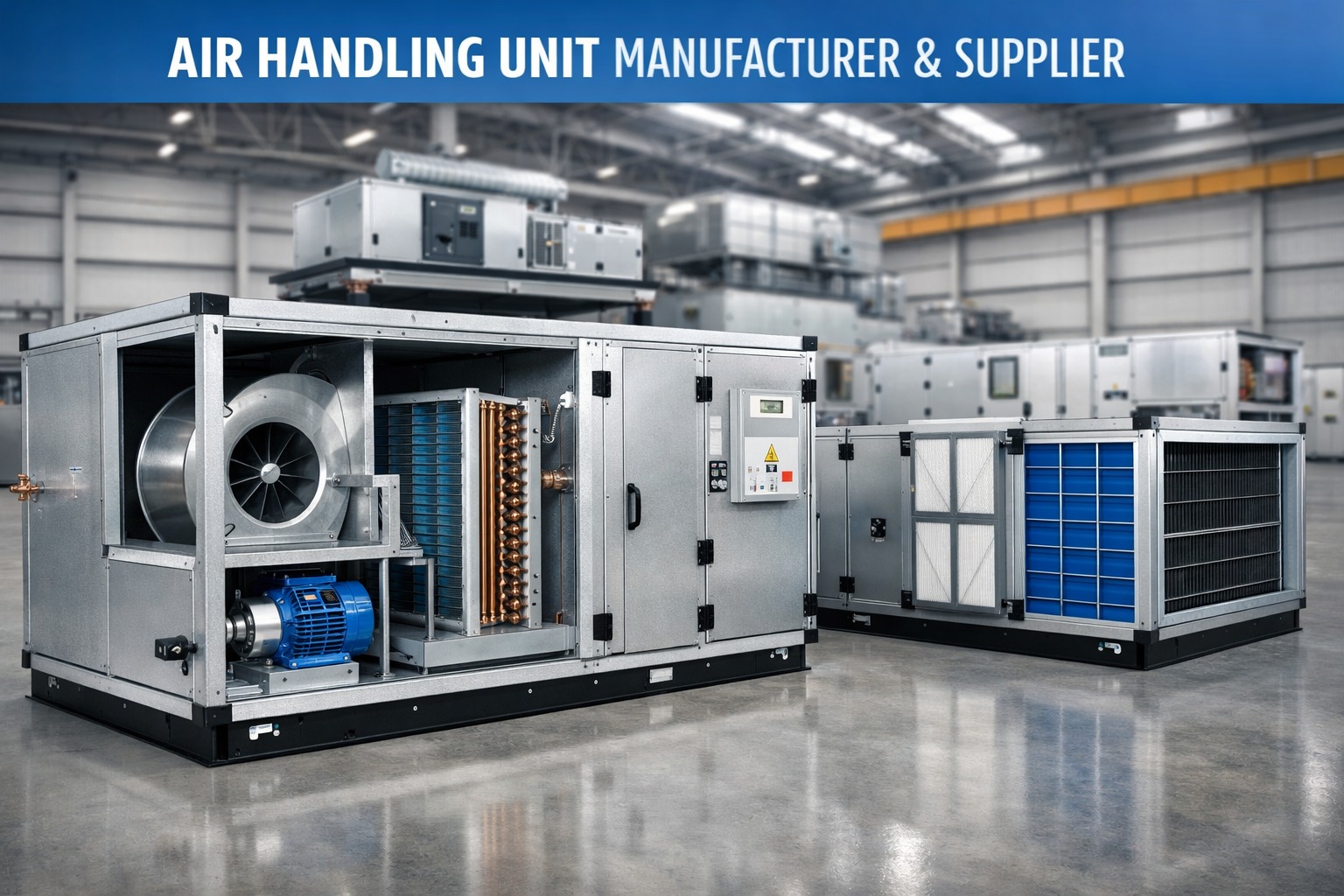
Air Handling Unit Manufacturer and Supplier

In modern HVAC systems, air quality and temperature control are crucial for commercial, industrial, and residential spaces. Air Tree, a leading Air Handling Unit Manufacturer and air handling unit supplier, offers top-of-the-line AHUs designed for reliability, efficiency, and comfort. This guide explores everything you need to know about AHU Air Handling Units, including their types, benefits, FAQs, and why partnering with Air Tree is the smart choice for your project.What is an Air Handling Unit (AHU)?An Air Handling Unit (AHU) is a device used in HVAC systems to regulate and circulate air. It takes in outside air, filters it, heats or cools it, and distributes it to different spaces through ductwork. AHUs are vital in maintaining indoor air quality, controlling humidity, and ensuring comfort.Key Components of an AHU:Filters – Remove dust and particles from the air.Heating/Cooling Coils – Adjust air temperature.Blowers/Fans – Move air through the ducts.Humidifiers/Dehumidifiers – Maintain proper moisture levels.Dampers – Control airflow.Air Tree, as a premium air handling unit supplier, customizes AHUs to meet the unique requirements of any project, ensuring maximum efficiency and durability.Types of Air Handling UnitsDifferent spaces require different AHUs. Here’s a breakdown:Packaged AHUPre-assembled and ready to install.Suitable for medium to large commercial buildings.Modular AHUBuilt in sections; easy to transport and assemble.Ideal for industrial setups.Rooftop AHUInstalled on rooftops for better space utilization.Offers energy efficiency for commercial spaces.Custom AHU by Air TreeDesigned according to specific airflow, temperature, and space requirements.High-performance solutions for unique projects.Why Choose Air Tree for AHUs?Partnering with a trusted Air Handling Unit Manufacturer like us Air Tree ensures the following benefits:High-Quality Standards: Precision-engineered units that meet international quality benchmarks.Energy Efficiency: Designed to minimize energy consumption and operational costs.Durability: Long-lasting AHUs built with superior materials.Custom Solutions: Tailored units for commercial, industrial, and residential projects.Prompt Support: Expert guidance from installation to maintenance.By selecting Air Tree, you are choosing reliability, performance, and a service-driven experience that goes beyond standard supply.Step-by-Step Guide to Choosing the Right AHUSelecting the right AHU Air Handling Unit can be overwhelming. Here’s a simple step-by-step approach:Assess Your RequirementsDetermine the area coverage, airflow, and temperature control needed.Choose the Type of AHUPackaged, modular, rooftop, or custom.Check Efficiency RatingsLook for energy-efficient units that reduce operational costs.Select Filters and CoilsEnsure high-quality filters and cooling/heating coils for optimal performance.Consult with a Trusted SupplierExperts like Air Tree can guide you on the best AHU for your project.Plan Installation and MaintenanceSchedule professional installation and regular maintenance for longevity.Pros and Cons of Air Handling UnitsPros:Improves indoor air quality.Provides precise temperature and humidity control.Can be customized for any space.Energy-efficient and cost-effective in the long term.Cons:Initial investment can be high.Requires periodic maintenance.Large units may need significant space.Comparison Table: Air Handling Units TypesAHU TypeBest ForProsConsPackaged AHUCommercial buildingsReady to install, compactLess flexible for changesModular AHUIndustrial spacesEasy transport, expandableInstallation complexityRooftop AHULarge commercial spacesSaves indoor space, energy-efficientRoof load considerationsCustom AHUUnique project requirementsFully tailored, high efficiencyHigher cost, longer lead timeAir Tree provides all these options, ensuring the perfect fit for any application.Common FAQs About Air Handling UnitsQ1: What is the lifespan of an AHU?A: With proper maintenance, AHUs from Air Tree can last 15–20 years.Q2: How often should AHU filters be changed?A: Filters should be inspected monthly and replaced every 3–6 months depending on usage.Q3: Can AHUs save energy?A: Yes, modern AHUs are designed with high-efficiency fans, motors, and coils to reduce energy consumption.Q4: Do AHUs handle humidity?A: Absolutely. AHUs can integrate humidifiers or dehumidifiers for precise control.Q5: Why choose Air Tree as an air handling unit supplier?A: Air Tree offers customized solutions, superior quality, expert support, and on-time delivery—making them a trusted Air Handling Unit Manufacturer.Air Handling Unit Suppliers: How to SelectWhen choosing an air handling unit supplier, consider:Experience & Reputation – Established suppliers like Air Tree have proven track records.Customization Options – Ability to design units for your specific requirements.After-Sales Service – Reliable maintenance and technical support.Energy Efficiency Solutions – Modern AHUs should lower operational costs.Certifications & Quality – Ensure compliance with international standards.The Role of AHUs in Indoor Air QualityAHUs are central to maintaining healthy indoor air. They:Filter out dust, allergens, and pollutants.Regulate humidity levels.Control temperature efficiently.Provide clean and fresh airflow throughout spaces.A high-quality AHU Air Handling Unit from Air Tree ensures not just comfort but also the health and safety of occupants.Why Air Tree Stands Out in AHU ManufacturingAir Tree combines technology, engineering, and service excellence to deliver top-tier AHUs. Highlights include:State-of-the-art Facility: Advanced machinery and tools ensure precise fabrication.Skilled Engineers: Experienced professionals optimize performance and design.Custom Engineering: Units tailored for any airflow, space, or temperature requirement.On-Time Delivery: Projects completed promptly without compromising quality.Service Partnership: Continuous support for installation, operation, and maintenance.This makes Air Tree not just a supplier but a long-term partner in HVAC projects.Key Considerations Before Buying AHUsProject Size: Match the AHU capacity with your area coverage.Airflow Requirements: Measure required cubic feet per minute (CFM).Energy Efficiency: Look for units with high SEER or IEER ratings.Space & Location: Consider the unit’s footprint and placement.Budget: Factor in both initial cost and long-term maintenance.Working with a trusted Air Handling Unit Manufacturer like Air Tree simplifies these decisions.Maintenance Tips for AHUsProper maintenance ensures longevity and efficiency. Steps include:Regular Filter Replacement – Prevents clogging and maintains airflow.Inspect Coils – Clean coils to optimize heat exchange.Check Fans and Motors – Ensure smooth operation and prevent breakdowns.Lubricate Moving Parts – Reduce wear and tear.Inspect Ductwork – Check for leaks or blockages.Air Tree offers maintenance services to keep your AHUs performing at their best.ConclusionChoosing the right Air Handling Unit Manufacturer and air handling unit supplier is critical for achieving efficient, reliable, and high-quality HVAC systems. Air Tree excels in providing:Customized AHU solutionsEnergy-efficient designsSuperior engineering and durabilityExcellent after-sales supportWhether you need a packaged, modular, rooftop, or fully custom AHU Air Handling Unit, Air Tree is the trusted partner for all your HVAC needs.For more information, visit Air Tree HVAC and explore their full range of AHU solutions tailored for every project.

How We Work

Our Process. Your Solutions.

Built for precision, delivered for performance.

01

Understanding Your Need

Every site is unique — our experts study your space, airflow requirements, and challenges.

02

Design & Customization

We design optimized systems tailored to your application, energy usage, and space.

03

Precision Manufacturing

Every AirTree product is crafted in our state-of-the-art facility with automated quality checks.

04

Quick Dispatch

Our logistics network ensures your system is ready and delivered within 7 working days.

05

On-Site Support

From installation assistance to after-sales service, we're with you at every step.

Ready to Upgrade Your Air Quality?

Get a comprehensive HVAC audit and custom solution proposal for your facility within 24 hours.

Get In Touch

Let's Discuss Your Requirement

Have a project in mind? Reach out to us for expert consultation and technical support.

Headquarters

Site-5 J 63/4, Kasna Road, Industrial Area,
Block D, Surajpur Site V, Greater Noida, UP - 201312

Working Hours

Monday - Saturday: 9:30 AM - 6:00 PM
Sunday: Closed

Send us a message

Download Our Brochure

Fill in your details to get instant access to our product catalog

+91